How to Avoid Losing Application Fees With Bad Credit
Blind applications burn non-refundable fees. How pre-screened lists prevent it, what to confirm before applying, and a free credit-friendly approach.

We see the exact same mistake every single day. If you want to avoid application fees, bad credit apartments require a very specific strategy. Smart renters often treat every application like a $50 lottery ticket against unseen property policies.
Most of those blind applications will fail.
Our team at Austin Second Chance Apartments watches Texas renters lose hundreds of dollars on guaranteed rejections. Let’s break down why these costs drain your wallet and outline a better approach.
Why application fees hit low-credit renters hardest
We track these costs closely across the Texas market. Application fees are flat, non-refundable charges required whether you get approved or denied. Recent 2026 housing data shows the average apartment application fee across the United States ranges from $25 to $100.
For bad credit apartment fees, Austin properties routinely hit the higher end of that spectrum. Most local apartment complexes break down their upfront screening costs into three specific buckets:
- $50 to $80 per applicant for the initial application processing
- $25 to $50 per applicant for a specialized background check
- $100 to $200 administrative fee collected at lease signing or upfront
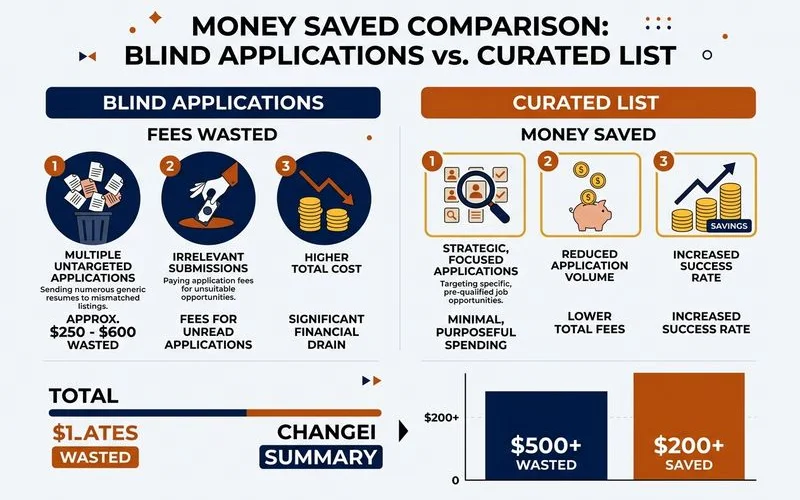
A low-credit renter might apply at four or five different properties before finding a willing landlord. We regularly speak with applicants who lost over $500 in non-refundable fees before they finally asked for help.
That financial math gets even worse if you apply with a spouse. Each adult pays a separate screening charge.
What’s actually causing the denials
Our experience shows that most blind applications fail because a software algorithm automatically rejects your profile. Major corporate landlords and newer buildings use property management software like Yardi or Rentgrow. These systems feature strict auto-deny settings for specific credit score floors or recent bankruptcies.
We see perfectly good renters get rejected instantly because they missed a hidden threshold by five points. The biggest blockers programmed into these screening systems include:
- Hard credit minimums set just above your current FICO score
- Income ratios requiring three times the monthly rent
- Open collections exceeding the property manager’s acceptable limit
- Eviction lookbacks that count your original filing date
- Background lookbacks catching an offense date rather than a conviction date
Every single property configures these software thresholds independently. There is simply no way to know their exact settings without inside data. Our agency uses proprietary locator data to bypass this exact problem.
The two ways to stop wasting fees
You can stop wasting application fees by directly calling the leasing office for pre-qualification or by using a curated list from a licensed locator. The first method involves running a short phone script before you hand over your credit card. Our agents recommend asking a very specific question.
Call the leasing office and state your exact credit score and monthly income. Ask them directly if their property management software will accept those numbers.
”I am interested in your community. My credit score is 540 and my income is $4,500 a month. Will your property approve an application with those exact numbers?”
If the leasing agent says yes, you can submit your paperwork. If they say no, you just saved yourself a costly rejection. We find this manual approach works at roughly half of the properties you call.
Many leasing agents simply do not know their software thresholds or refuse to share them over the phone. The second and far more effective method is using a pre-screened list. Our team holds direct data on the unadvertised criteria for thousands of Texas properties.
A locator service licensed by the Texas Real Estate Commission matches your exact profile against these hidden policies. Our bad credit apartment locator service holds direct data on thousands of Austin communities, so you only apply where you already meet the criteria.
| Approach | Applications | Average Cost | Total Fees |
|---|---|---|---|
| Without a List (Blind) | 5 blind apps | $60 each | $300 |
| With a Locator List | 2 targeted apps | $60 each | $120 |
This locator service costs you nothing out of pocket. The immediate savings on application charges alone make it the smartest choice.
What to confirm before any application
Always confirm the property’s hard minimum requirements for credit, income, and background lookbacks before submitting an application. Leasing staff might try to rush you into applying. Our experts advise slowing down and asking specific policy questions first.
You need to know the exact rules grading your file. Make sure you ask about these six critical factors:
- Credit minimum: Do they have a hard FICO score floor? What is the exact number?
- Income ratio: Does the property require your income to be 2.5, 3, or 3.5 times the monthly rent?
- Open collections threshold: Is there a maximum dollar amount of debt they will tolerate?
- Eviction lookback: How many years back does their screening software check?
- Background lookback: Do they follow the standard Texas seven-year reporting rule?
- Guarantor acceptance: Do they partner with third-party networks like Rhino, LeaseLock, or TheGuarantors?
A leasing agent might only be able to confirm two or three of these points. That partial information is still better than guessing. We consider even a few confirmed answers enough to determine if you are a likely approval. If your score is the sticking point, our breakdown of how credit score and income are weighed in screening shows where strong income can offset a low FICO.
What to do if you’ve already lost fees
Stop applying immediately and check if you are legally entitled to a refund under the Texas Property Code. Continuing to test unknown property policies will only drain your bank account faster. Our team helps renters pivot to a targeted strategy to stop the bleeding.
You might actually be able to recover some of your lost cash. Texas law provides specific protections for renters regarding application charges:
- Demand a legal refund: Under Texas Property Code Section 92.3515, a landlord must return your fee if they rejected you and failed to make their tenant selection criteria available before you applied.
- Check the seven-day rule: Section 92.352 states that if a landlord does not notify you of an acceptance within seven days, you are deemed rejected and might have grounds to dispute the process.
- File a TREC complaint: You can report property managers to the Texas Real Estate Commission if they collected your money but never actually processed the paperwork.
- Save all documentation: Keep a record of every receipt, as these expenses might be useful for tax purposes during a work relocation.
It takes some effort to fight a property management company for a refund. Sending a certified demand letter citing the Texas Property Code often forces their hand. We strongly recommend cutting your losses and changing your approach rather than dwelling on past rejections.
The hidden cost of multiple credit pulls
Each apartment application triggers a credit inquiry that can actively lower your FICO score and damage your future approval chances. Most landlords run a soft inquiry for their background checks. Our research shows that some strict properties still insist on running a hard pull.
Major credit bureaus handle these hard pulls with very specific rules:
- Immediate point drop: A single hard inquiry can drop your FICO score by up to five points.
- Long-term visibility: These inquiries remain visible on your credit report for a full two years.
- Compounding damage: Submitting five applications could wipe out 25 points from your score in a single weekend.
We warn every renter that this compounding damage makes finding an apartment even harder. Your profile gets weaker with every blind application you submit.
Give your credit file a few weeks of rest if you recently suffered several hard inquiries. Our curated list approach drastically reduces your total number of pulls by matching you with the right landlord on the first try.
Our approach
Our service eliminates the auto-deny pile by matching your specific credit band to properties where you meet the hidden criteria. When you request a free list from us, we ask for your exact credit score upfront. The goal is to identify the property software thresholds that will actually approve your application.
The curated list you receive contains only communities where you clear the minimum requirements. This strategy completely removes the guesswork from the apartment hunting process. We provide this entire locator service completely free of charge. You pay no upfront charges.
Our clients even receive a $50 cash rebate after they successfully move into their new home. Stop testing random policies and start applying with a targeted strategy. You can get started right now and Request your free list →
Frequently asked questions
Are apartment application fees refundable?
Usually not. Most Austin properties charge $50-$80 per applicant in non-refundable fees, regardless of whether you're approved.
How much do renters waste on fees?
Many low-credit renters lose $200-$400 in fees before finding a property that approves them. Some report losing $500+.
How does a list save me money?
Pre-screened lists mean you apply only where you're a likely yes. Most renters on our list spend $50-$100 in fees rather than $300-$400.
Ready for a curated bad credit list?
Tell us your situation. We'll send a list of Austin apartments that will approve you — in 24-48 hours, free, no upfront fees.
Get Your Free List